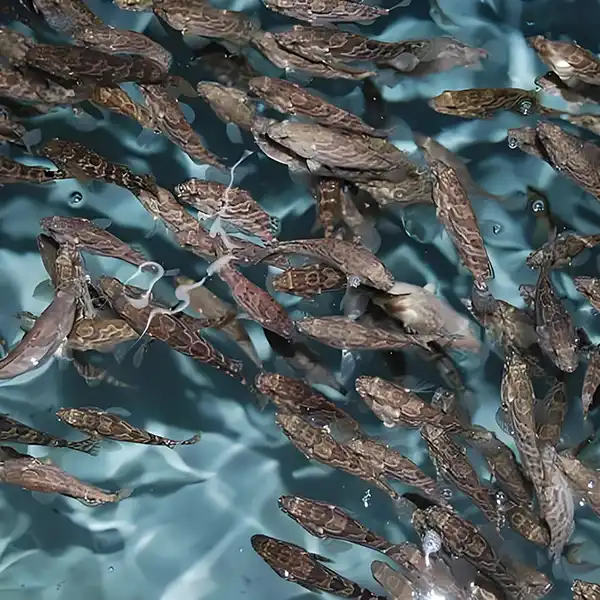
Yes, pure oxygen can kill fish. While oxygen is the most critical element for aquatic life, excessive levels lead to two lethal conditions: Gas Bubble Disease (GBD) and Oxygen Toxicity (Hyperoxia).
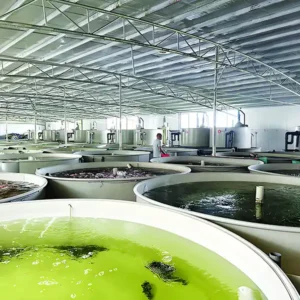
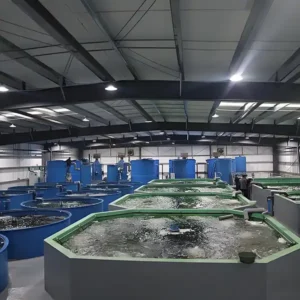
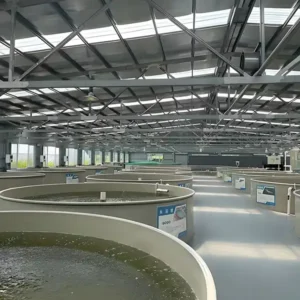
In intensive aquaculture, specifically Recirculating Aquaculture Systems (RAS), oxygen is often injected under pressure to support high stocking densities. If the system is not managed correctly, the water becomes supersaturated. This creates a physiological environment where oxygen stops being a life-supporter and starts acting as a toxin or a mechanical killer.
The Two Faces of Oxygen Lethality
To understand how a life-sustaining gas kills, you must distinguish between chemical toxicity and physical trauma.
1. Gas Bubble Disease (The Mechanical Killer)
Gas Bubble Disease is the aquatic version of “the bends” in human divers. It occurs when the Total Dissolved Gas (TDG) pressure in the water is higher than the ambient atmospheric pressure. In RAS environments, this usually happens when pure oxygen is forced into the water column using oxygen cones or U-tubes under high pressure.
When fish swim in supersaturated water, the excess gas enters their bloodstream through the gills. If the pressure drops—or if the fish moves to a shallower area—the gas comes out of the solution. It forms physical bubbles (emboli) inside the fish’s heart, blood vessels, and tissues. These bubbles block blood flow, leading to rapid organ failure and death.
2. Oxygen Toxicity (The Chemical Killer)
Hyperoxia refers to a state where the concentration of dissolved oxygen in the blood and tissues is too high. This triggers the production of Reactive Oxygen Species (ROS). These are highly unstable molecules that cause oxidative stress. They burn through cellular membranes, damage DNA, and destroy the delicate proteins in the fish’s nervous system.
In a high-intensity RAS, fish exposed to constant hyperoxia suffer from reduced growth rates and suppressed immune systems, even if they don’t die immediately.
Why RAS Operators Face the Highest Risk
Recirculating Aquaculture Systems are designed for maximum efficiency. To keep 60kg to 100kg of fish alive per cubic meter of water, you cannot rely on simple aeration. You must use pure oxygen. This is where the danger resides.
The Speece Cone Trap
The Speece Cone (or oxygen cone) is a staple in modern aquaculture. It works by forcing water and pure oxygen together under pressure, achieving saturation levels of 200% or even 300%. This is necessary because by the time that water travels through the pipes and reaches the fish tank, the oxygen levels will naturally drop as the fish consume it.
However, if the water flow slows down or the degasser fails, that highly pressurized, supersaturated water hits the fish directly. At 110% Total Dissolved Gas (TDG) saturation, chronic stress begins. At 115% to 120%, mass mortality events occur within hours.
The Pump Cavitation Issue
Sometimes the oxygen isn’t the only culprit, but it provides the medium for disaster. If a pump in your RAS has a tiny leak on the suction side, it draws in air. When that air hits the high-pressure side of the pump, it is forced into the water. If you are also injecting pure oxygen, the combined gas pressure skyrockets. This is a frequent cause of “unexplained” morning die-offs in commercial farms.
Identifying the Symptoms of Oxygen Overload
You must be able to spot the signs of supersaturation before the entire tank is lost. The behavior of the fish often changes before the physical bubbles appear.
Early Behavioral Warning Signs:
- Hyperexcitability: Fish may dart around the tank or jump frantically.
- Loss of Equilibrium: You will see fish swimming on their sides or spiraling.
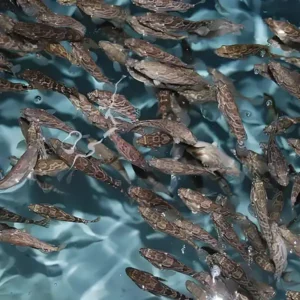
- Surface Gasping: Paradoxically, fish suffering from GBD often huddle at the surface or near water inlets, looking as if they are gasping for air, even though the water is overflowing with oxygen.
Physical Markers:
- Exophthalmia (Pop-eye): Gas bubbles accumulate behind the eye, forcing the eyeball out of the socket.
- Bubbles in the Fins: Look closely at the transparent tissue of the tail and dorsal fins. Tiny, bead-like bubbles trapped in the rays are a definitive sign of GBD.
- Gill Pallor: The gills may look irritated or unusually pale due to the lack of blood flow caused by micro-bubbles.
The Critical Numbers: What is Safe?
In aquaculture, we measure oxygen in milligrams per liter (mg/L) or percent saturation (%). For most species like Atlantic Salmon, Tilapia, or Barramundi, the “Goldilocks Zone” is between 80% and 100% saturation.
| Saturation Level | Status | Impact on Fish Health |
|---|---|---|
| 60% – 80% | Sub-optimal | Reduced feed conversion; slow growth. |
| 90% – 100% | Ideal | Maximum growth; low stress. |
| 105% – 110% | Threshold | Chronic stress; increased susceptibility to disease. |
| 115% – 125% | Acute Danger | Gas Bubble Disease symptoms appear; high mortality. |
| > 150% | Lethal | Rapid death via gas embolism in the heart. |
Note: These values are temperature-dependent. Cold water holds more gas than warm water. A sudden temperature spike in a saturated system will instantly trigger gas bubble formation.
How to Prevent Oxygen Kill in a Professional System
If you are running a high-density RAS, you cannot just “turn down the oxygen.” You need a structured approach to gas management.
1. Install a TDG Probe
Standard Dissolved Oxygen (DO) probes only measure oxygen. They do not measure nitrogen or total gas pressure. You can have a “safe” DO reading of 10 mg/L but still have a lethal TDG of 120% if nitrogen is also trapped in the system. A Total Dissolved Gas (TDG) probe is the only way to ensure safety in a pressurized system.
2. Atmospheric Degassing
Every RAS needs a way to “vent” excess gas. This is usually done via a degassing tower or a trickling filter. By breaking the water into small droplets or thin films before it enters the fish tank, you allow excess gas to escape into the atmosphere. This brings the water back to a state of equilibrium (100% saturation).
3. Vacuum Degassing for High-Intensity Farms
For farms operating at the absolute limit of density, vacuum degassing is the gold standard. By creating a partial vacuum in a sealed chamber, you can strip nitrogen and excess oxygen out of the water with extreme precision. This allows you to inject pure oxygen later in the process without risking supersaturation.
4. Automated Solenoid Shut-offs
Your oxygen injection system must be linked to your sensors. If the DO probe detects a spike above 120%, the system should automatically close the oxygen solenoid valve. Relying on manual adjustment is a recipe for disaster during night shifts.
The Role of Pure Oxygen in Fish Transport
A common question is why fish can survive in bags filled with 100% pure oxygen during shipping. The answer is pressure.
In a shipping bag, the oxygen is at the same pressure as the surrounding air. Because there is no mechanical force pushing the gas into the water, the oxygen level stays at a natural equilibrium. The fish stay safe because the water is not “supersaturated” in the clinical sense.
The danger in a RAS is different because we use pumps and sealed cones to create artificial pressure. It is the pressure that makes the oxygen lethal, not just the gas itself.
Crisis Management: What to Do During an Over-Oxygenation Event
If you walk into your facility and see fish with bubbles in their fins, you have minutes to act.
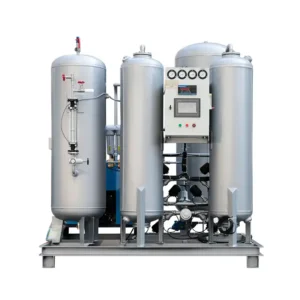
- Cut the Oxygen: Immediately shut off the liquid oxygen supply or the PSA (Pressure Swing Adsorption) generator.
- Increase Turbulence: Increase surface agitation. Use paddlewheels or venturi aerators. This helps the water “off-gas” the excess pressure into the air.
- Dilution: If possible, flush the system with fresh water that has been pre-aerated to 100% saturation.
- Lower the Temperature (Carefully): If the system allows, slightly lowering the temperature can increase the solubility of the gas, effectively “soaking” the bubbles back into the liquid. However, this is a risky move and should only be done if you can control the change within 1-2 degrees Celsius.
The Reality of Modern Aquaculture
In the world of RAS, oxygen is your most expensive and most dangerous input. It is the fuel that allows for high production, but it requires constant vigilance.
Pure oxygen kills fish when operators prioritize “more” over “balance.” You must respect the laws of physics. Water can only hold so much gas before it becomes a hostile environment. By focusing on degassing and monitoring Total Dissolved Gas rather than just Dissolved Oxygen, you can maintain a high-growth environment without crossing the line into a lethal one.
The goal isn’t to provide the most oxygen possible. The goal is to provide the right amount of oxygen at the right pressure. Anything more is not an investment in growth; it is an invitation to disaster.