Case Study: Aeration for High-Density Fry Rearing
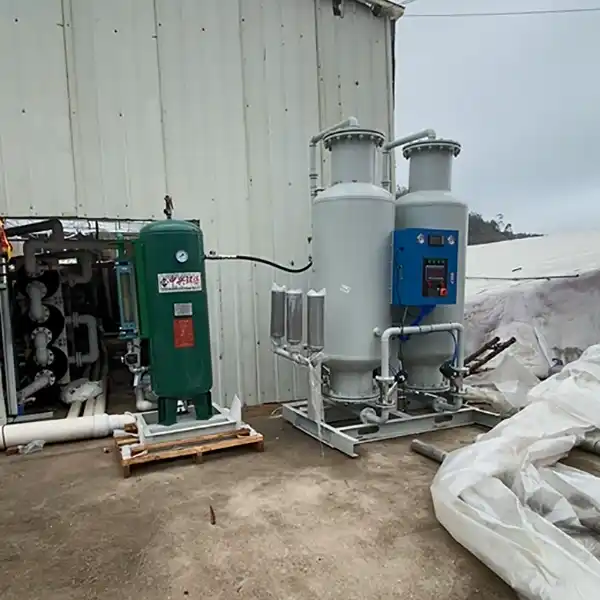
The client was rearing yellow croaker fry at a density of 8,974 fry per cubic meter. There were a total of 32 rearing ponds, each with a capacity of 300 cubic meters and a water depth of 2.6 meters. Eight ceramic discs were temporarily placed in each pond. Due to the high rearing density of […]
Customer Case Study: Oxygenation for High-Density Adult Fish Farming
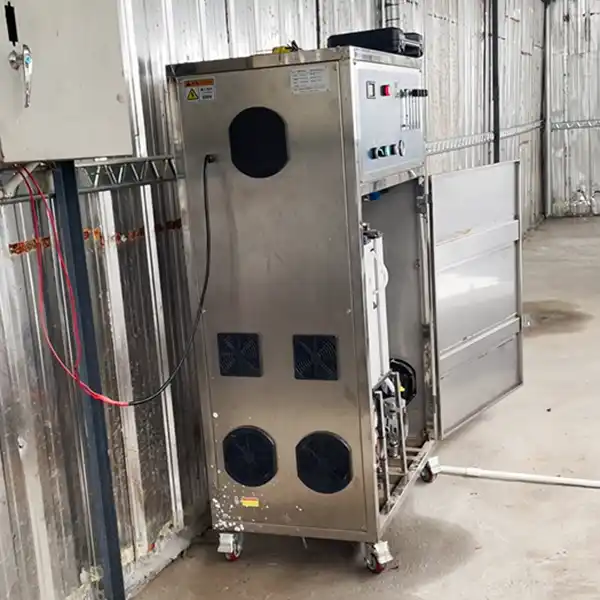
The customer operates a high-density adult fish farm consisting of two ponds. Each pond holds 600 m³ of water and has a depth of 2 meters. The farm layout is well-organized, and stocking density is relatively high. Adult fish farming is a critical stage in aquaculture, directly impacting annual profitability. The client required an efficient, […]
Case Study: Aeration for Yellow Croaker Fry Farming
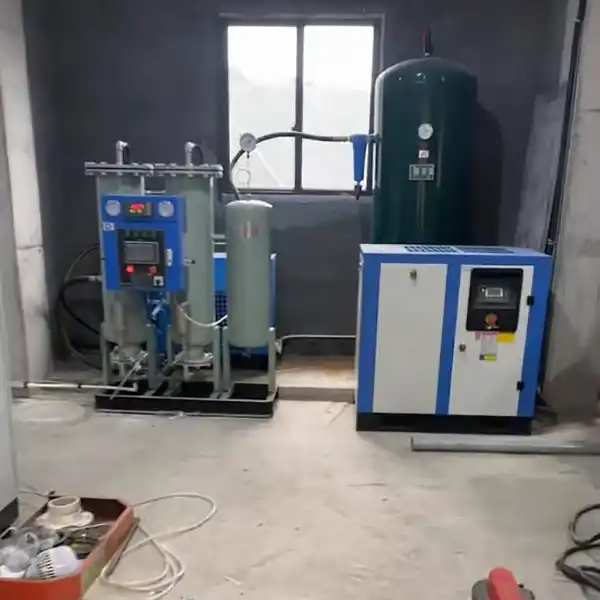
As yellow croaker fry grow, their feeding and activity levels increase, leading to a faster rate of dissolved oxygen consumption in the water. To ensure the fry’s healthy growth and prevent mortality due to oxygen deficiency, the client urgently needed a highly efficient and tailored aeration solution. Taking into account the client’s stocking density, pond […]
Case Study: Aeration in Sturgeon Farming in Chongqing
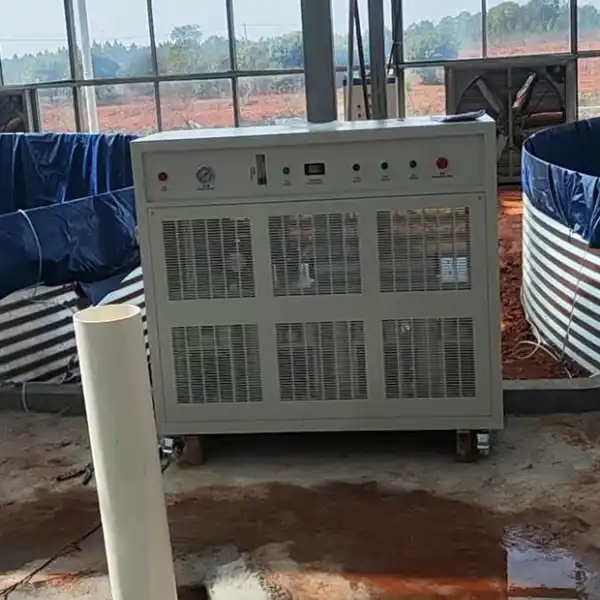
The Chongqing Sturgeon Farming Base specializes in the cultivation of adult sturgeon, utilizing concrete tanks as its primary rearing facilities. As the scale and stocking density of the operation have increased, the base’s requirements for dissolved oxygen management have also become more stringent. The base covers an area of approximately 10 mu, with concrete tanks […]
What are the best oxygen diffusers for aquaculture?
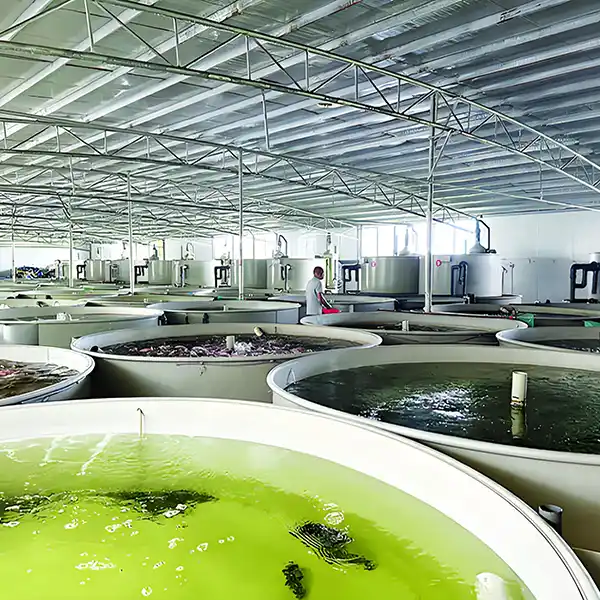
The best oxygen diffusers for Recirculating Aquaculture Systems (RAS) are Micro-Pore Ceramic Plate Diffusers and Fine-Pore EPDM Disc Diffusers. For high-density systems requiring pure oxygen, Oxygen Cones (Speece Cones) or Venturi Injectors are the most efficient tools to achieve supersaturation. Ceramic plates offer the highest Standard Oxygen Transfer Efficiency (SOTE) for fine-tuning, while EPDM discs provide the best balance of durability and […]
Can pure oxygen kill fish?
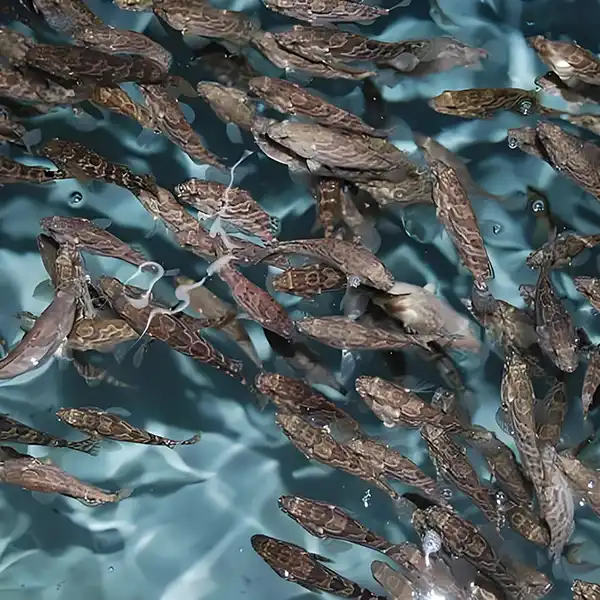
Yes, pure oxygen can kill fish. While oxygen is the most critical element for aquatic life, excessive levels lead to two lethal conditions: Gas Bubble Disease (GBD) and Oxygen Toxicity (Hyperoxia). In intensive aquaculture, specifically Recirculating Aquaculture Systems (RAS), oxygen is often injected under pressure to support high stocking densities. If the system is not managed correctly, the […]
Aeration vs. Oxygen Generator: The Strategic Guide to Dissolved Oxygen in Modern Aquaculture
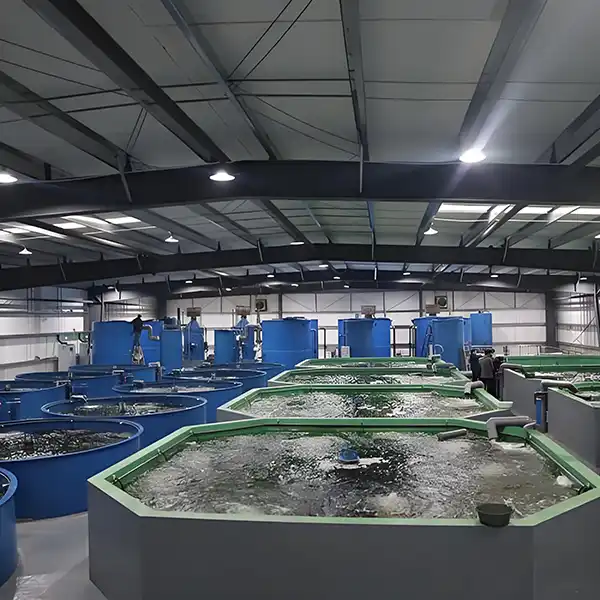
If there is one thing that keeps farm owners awake at night, it isn’t the price of feed or even market fluctuations. It’s the “silent killer”: Dissolved Oxygen (DO). When DO levels drop, your investment can vanish in hours. But when you look for solutions, you’re often met with a confusing choice: do you just […]
How do you calculate oxygen requirements in aquaculture?
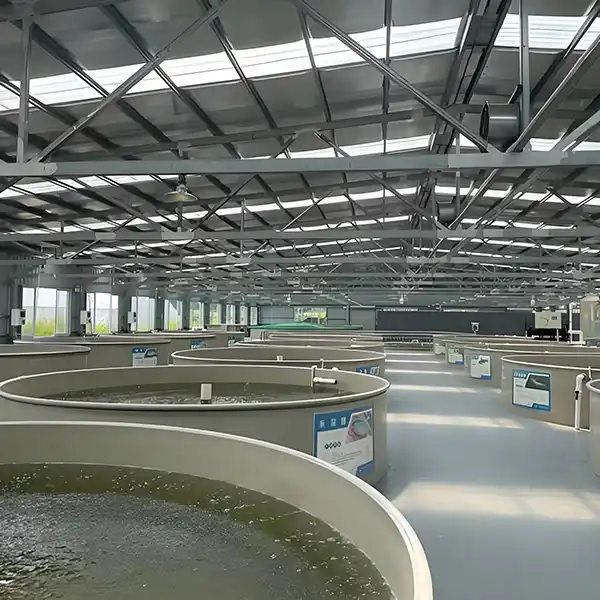
In RAS aquaculture, you calculate oxygen requirements by turning every major oxygen “sink” into kg O₂ per hour, then sizing your oxygenation/aeration equipment so its actual oxygen transfer rate (AOTR) exceeds that demand with a safety margin. A practical sizing equation is: Required O₂ supply (kg/h) = (Fish O₂ use + Biofilter nitrification O₂ use + Other system […]
What size oxygen generator do I need for my fish farm?
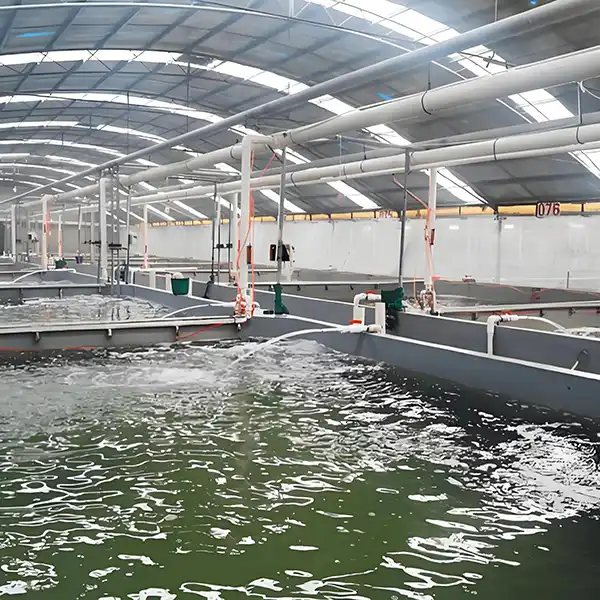
To determine the size of the oxygen generator you need, focus on your daily feed rate. For a high-density Recirculating Aquaculture System (RAS), you require 0.4 to 0.6 kg of oxygen for every 1 kg of feed distributed. If your farm harvests 50 tons of fish annually with a peak daily feeding of 500 kg, […]
The Cost of Running an Oxygen Generator for Fish Farming
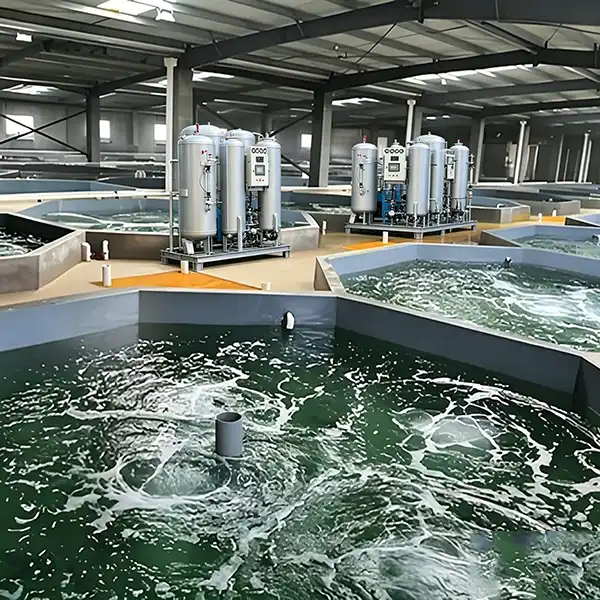
Producing oxygen onsite costs between $0.05 and $0.18 per kilogram (kg). In a standard Recirculating Aquaculture System (RAS), electricity accounts for 80% to 90% of this figure. Most industrial PSA (Pressure Swing Adsorption) generators consume between 0.6 and 1.1 kWh of electricity for every kilogram of oxygen produced. If your local electricity rate is $0.12 […]